
Belt Colors and Rank Structure
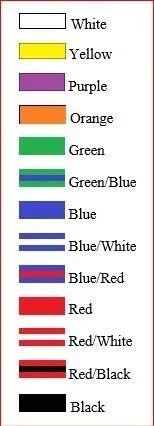
Students begin their Tae Kwon Do journey wearing the white belt. This color represents a clean slate — innocence, openness, and readiness to learn the fundamentals and principles of Tae Kwon Do. Historically, the belt system in Korean martial arts evolved to provide a clear, motivating structure for progress; the white belt remains a universal symbol of beginning in that lineage.
As students progress, they advance through a sequence of colored belts that each carry specific meanings and training goals. Common color progressions (which can vary slightly between schools and organizations) move from white to yellow, purple, orange, green, blue, red, and then to the pre‑black or levels before Black Belt. Each color represents stages of physical and mental development: for example, yellow signifies the seed sprouting (basic techniques taking root), green indicates growth as techniques and coordination develop, blue suggests the sky and continued expansion of skill, and red warns of increased power and responsibility—preparing the student to control strength and to protect others. Throughout these stages students learn additional forms (poomsae), more complex kicking and punching combinations, advanced blocking and footwork, practical self‑defense applications, and live practice through sparring and weapon work in some styles.
Progress is measured through periodic evaluations and formal testing. These examinations assess technical proficiency, physical conditioning, forms accuracy, sparring ability, theoretical knowledge (including terminology, history, and etiquette), and often board breaking or demonstration of power. Testing serves both as an assessment and as a rite of passage, reinforcing discipline, respect, and goal setting. As students rise through the colored ranks they take on greater responsibilities within the dojang: junior students become peer mentors, assist in warmups, lead drills for lower belts, and model etiquette and attitude for newcomers. This teaching role helps consolidate their own knowledge and develops leadership and communication skills.
The transition from colored belt to Black Belt is a major milestone. Achieving the first Black Belt (1st Dan) recognizes technical competence, consistent training, and a maturing of character. Historically, the Black Belt was popularized in the early 20th century to denote mastery relative to beginners; in modern Tae Kwon Do it marks the end of basic instruction and the beginning of advanced study. New Black Belts are expected not only to demonstrate accumulated knowledge from their prior ranks but also to show the potential and responsibility to teach, guide, and inspire others within the martial arts community.
The journey continues beyond the first Black Belt. Black Belt ranks are called Dan, with the 1st Dan (Il Dan) indicating an initial mastery and each subsequent Dan reflecting deeper technical skill, teaching experience, contributions to the art, and personal development. In many schools, Dan promotions require longer periods of training between ranks, greater teaching and community involvement, written or oral exams, and demonstration of leadership. Dan degrees are sometimes marked by gold stripes or embroidered bars on the end of the Black Belt; traditions for marking and for titles (such as “Sabumnim,” “Master,” or “Sahyun”) differ among organizations.
Higher Dan ranks honor lifetime dedication. Lower Dans focus on refining technique and expanding curriculum; higher Dans emphasize preservation of tradition, mentoring senior instructors, developing curricula, and representing the art publicly. Our Lead Instructor, Master Taylor, holds the rank of 4th Dan, reflecting advanced technical skill, substantial teaching experience, and leadership within our school. Master Burns, the founder of our dojang, also holds the rank of 4th Dan, signifying the skill and commitment required to establish and sustain a training community. Master Shon, who served as Master Burns’ instructor and mentor, holds the esteemed rank of 7th Dan — a rank that represents decades of dedication, a deep understanding of Tae Kwon Do principles, and a role as a senior custodian of the art and its traditions.
Across all levels, belt ranks in Tae Kwon Do are more than colored cloth. They are milestones in a lifelong path of physical training, ethical development, cultural appreciation, and service to others. Whether beginning at white belt or advancing as a high‑ranking Dan, students engage in continuous learning, and each rank brings new challenges, responsibilities, and the opportunity to grow as martial artists and as people.